What to Anticipate in Your Preliminary Solar Consultation
What can one anticipate during an initial solar consultation? This meeting serves as an entry point to the world of solar energy and its potential advantages for homeowners. Typically, a solar consultant will first initiate a discussion about the homeowner's driving factors for exploring solar energy. They will describe the various solar technologies available, including photovoltaic panels and solar thermal systems, while clarifying the mechanics of how these systems perform.
Following this, the consultant might present an overview of the solar system installation process, including timelines and potential financial incentives such as tax credits and rebates. Furthermore, they will address typical questions about system maintenance and warranties. The session may also involve a preliminary evaluation of the homeowner's current energy bills to provide context for future energy savings. In summary, the initial consultation aims to educate homeowners and help them make knowledgeable decisions about their solar energy alternatives.
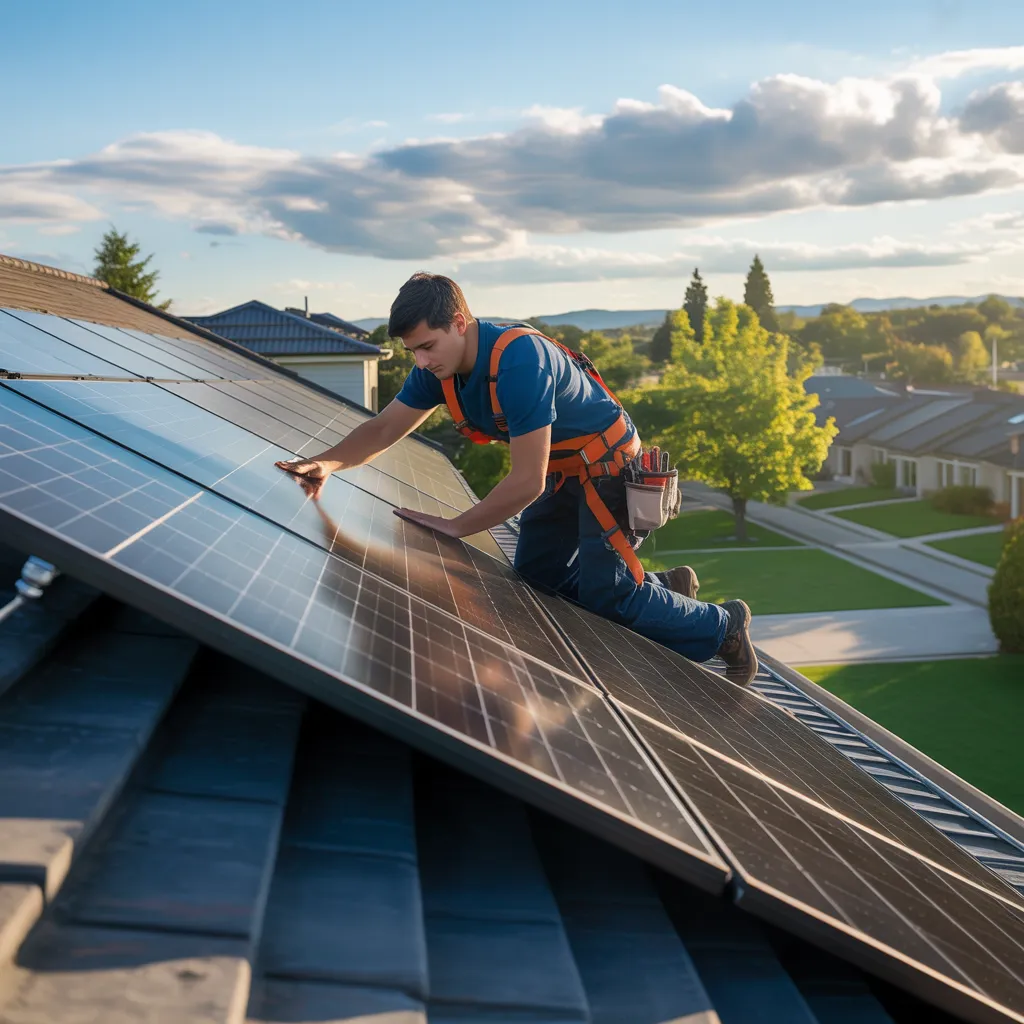
Analyzing Your Residence's Solar Capability and Energy Requirements
After obtaining an understanding of solar technologies and the installation process during the initial consultation, homeowners should prioritize assessing their property's solar potential and energy requirements. This assessment involves examining factors such as roof orientation, shading from surrounding trees or buildings, and the overall size of the roof. Ideal solar potential typically requires a south-facing roof with minimal obstacles.
In addition, homeowners should analyze their energy consumption habits. Analyzing past utility bills can give insights into peak usage times and overall energy demand. Understanding these patterns enables identifying the system size required to meet energy requirements successfully.
Homeowners might also evaluate seasonal variations in sunlight exposure and local climate conditions, as these aspects can influence solar efficiency. By comprehensively analyzing these factors, homeowners can ensure that their solar installation corresponds to their energy demands and maximizes the gains of solar technology.
How to Pick the Best Solar Panel System for Your Home
When choosing the ideal solar panel system, it is essential to first evaluate the home's energy demands to determine the appropriate capacity. In addition, evaluating available roof space will help identify the most optimal panel configuration and size. Together, these factors play a major role in optimizing solar energy production for the household.
Estimate Energy Demands
In what ways can homeowners effectively assess their energy consumption before installing solar panels? First, they should assess their previous electricity bills, focusing on usage patterns over the previous year to determine peak months and general consumption trends. This data helps them calculate their average monthly usage in kilowatt-hours (kWh). Then, homeowners need to consider their lifestyle and future energy demands, such as growing families or new electric appliances. Working with a solar energy professional can also provide insights into the ideal system size, as they can assess energy efficiency measures and local regulations. By completing these steps, homeowners can make well-informed decisions about the solar panel system that will best address their energy needs while increasing savings and sustainability.
Inspect Rooftop Space
Assessing roof space is see this article a critical step for homeowners contemplating solar panel installation, as it directly influences the system's efficiency and overall output. Homeowners must assess several factors, including roof orientation, slope, and shading from nearby structures or trees. South-facing roofs typically receive the most sunlight, making them optimal for solar panels. Additionally, the available square footage will establish how many panels can be installed, affecting energy production. An inspection of the roof's condition is also essential, as any repairs needed should be addressed before installation. By conducting a thorough evaluation, homeowners can confirm they select a solar panel system that maximizes energy generation and aligns with their energy needs and budget.
Grasping Solar Installation Regulations and Permits
Managing the landscape of solar installation permits and regulations can often leave homeowners and contractors questioning the necessary steps to ensure compliance. Several local, state, and federal regulations govern solar panel installations, which can vary considerably by location. Property owners must typically secure electrical permits, building permits, and occasionally zoning approvals before proceeding.
Additionally, some jurisdictions may enforce specific codes regarding the installation process, such as safety standards or structural assessments. It is essential for homeowners to become aware of these requirements, as failure to secure the necessary permits can result in fines or the removal of installed systems.
Collaborating with local authorities or working with experienced solar experts can give clarity on the specific regulations related to individual projects. Understanding these legal matters not only guarantees compliance but also supports a more streamlined installation process, ultimately contributing to the successful implementation of solar energy systems.
What You Can Expect Throughout Your Solar Panel Installation
During the solar panel installation process, homeowners can look forward to several key stages. First, a pre-installation site assessment will determine the optimal setup for the panels. On installation day, the team will execute the installation, followed by essential post-installation maintenance guidelines to maintain long-term efficiency.
Site Assessment Before Installation
Ahead of the implementation of solar panels can start, a comprehensive site assessment is necessary to ensure ideal performance and safety. During this evaluation, specialists inspect the property's roof structure, orientation, and shading from nearby trees or buildings. They examine the electrical system's compatibility and identify the most suitable placement for the solar panels to maximize sunlight exposure. Additionally, any local zoning laws or permitting requirements are assessed to guarantee compliance. The assessment may also include an analysis of the homeowner's energy consumption patterns, providing insights into potential savings. This thorough analysis allows installers to design a customized solar solution adapted to the unique needs of the property, eventually producing a more productive and reliable solar energy system.
Installation Day Procedure
During installation day, homeowners should expect a well-organized process that usually takes place over several hours. The installation team usually arrives early, equipped with the essential equipment and materials. First, they examine the roof and verify safety measures are in place. Following this, they commence mounting the solar panels, after which comes the installation of wiring and inverters. During the process, the team will relay progress and any possible changes needed. Once the panels are properly mounted, they will connect the system to the electrical grid. Finally, a comprehensive check guarantees everything is functioning as intended. Homeowners should expect a clean work area as the team wraps up, leaving them with an effective solar energy system prepared for operation.
Maintenance Recommendations Post-Installation
While the installation of solar panels is a substantial milestone, grasping the needed post-installation maintenance is crucial for ensuring peak performance. Regular inspections are critical; homeowners should inspect for debris, dust, or shading that may hinder efficiency. Cleaning the panels, preferably twice a year, can improve energy output, especially in locations with heavy pollen or pollution. Monitoring the system's performance through a dedicated app or inverter display is encouraged for recognizing potential issues early. Additionally, it is wise to schedule professional maintenance every few years to examine system integrity and functionality. Keeping warranty information available and staying informed about local regulations can also aid in maintaining optimal operation and longevity of the solar panel system.
Connecting Your Solar Panel Installation to the Electrical Grid
Attaching a solar panel setup to the electrical grid is a vital step that enables homeowners to enhance their energy efficiency and potentially earn credits through net metering. This process typically includes the installation of an inverter, which converts the direct current (DC) generated by the solar panels into alternating current (AC) appropriate for household use and grid compatibility.
After the inverter is installed, a connection to the local utility grid is created, generally requiring inspection and approval from the utility company. This guarantees that the system satisfies safety standards and follows local regulations. After approval, a bi-directional meter might be installed to measure energy consumption and production. If the solar panels create more energy than the household requires, excess energy can be fed back into the grid, enabling homeowners to receive credits on their utility bills. This connection not only improves sustainability but also delivers potential cost savings.
Essential Maintenance Guidelines for Optimal Solar Panel Performance
Following the establishment of a connection to the grid, preserving solar panels is critical for guaranteeing their prolonged performance and efficiency. Consistent cleaning is crucial, as dirt, dust, and debris can accumulate on the panels, obstructing sunlight absorption. Home occupants should strive to clean their panels at least two times annually, or more often in dusty environments. Furthermore, inspecting the panels for harm, such as loose connections or cracks, should be part of routine maintenance, preferably performed each year by a professional. Tracking the system's performance through the inverter can help recognize any declines in energy production, triggering timely intervention. Finally, keeping nearby trees pruned to prevent shading will improve exposure to sunlight. By adhering to these maintenance practices, homeowners can enhance the longevity and efficiency of their solar panel systems, guaranteeing they continue to provide clean energy optimally.
Common Inquiries
How Long Do Solar Panels Typically Last?
Solar panel systems usually last between 25 to 30 years, contingent upon the quality and maintenance. Most producers offer warranties that cover both performance and defects for approximately 20 to 25 years, delivering lasting efficiency and dependability.
Can I Install Solar Panels Myself?
Installing solar panels independently is possible, but it demands substantial expertise in electrical systems, local requirements, and safety protocols. The majority of professionals suggest hiring qualified technicians to secure appropriate installation and maximum efficiency of the solar energy system.
What Takes Place if My Solar Panels Fail to Produce Adequate Energy?
In cases where solar panels don't generate enough energy, the homeowner might encounter elevated electricity bills, diminished energy independence, and dependence on grid power. They should consult a professional to evaluate system performance and possible upgrades.
Can You Get Tax Incentives for Installing Solar Panels?
Certainly, multiple tax benefits exist for putting in solar panels, encompassing federal tax benefits, state incentives, and local initiatives. These incentives can greatly reduce the overall cost, encouraging more households to implement sustainable energy options.
What Effect Does Solar Panel Installation Have on My Home Insurance?
Installing solar panels can raise homeowner's insurance premiums owing to the added value and risk. Property owners should contact their insurance company to guarantee proper coverage and may investigate discounts for renewable energy investments.
Comments on “Finding Pasco top rated Solar Panel Installation for Residential Projects”